In this article
Discover the best free things to do in Santiago. Parks, museums, and free activities to enjoy the capital at no cost, ideal for tourists, families, and anyone looking for what to do in Santiago.
If you are looking for free things to do in Santiago, the capital offers a wide variety of places where you can enjoy nature, history, culture, and some of Chile’s best scenery without spending money. From museums and urban parks to historic squares and viewpoints, there are plenty of options to explore the city at your own pace. Whether you are visiting Santiago for the first time or simply want to rediscover it, these are some of the best free places that should be on your list.
Visiting these places is also a way to get closer to Chilean history, heritage, and culture, discovering corners that are part of the city’s identity and that are visited every year by thousands of domestic and international tourists.
1. Cerro San Cristóbal
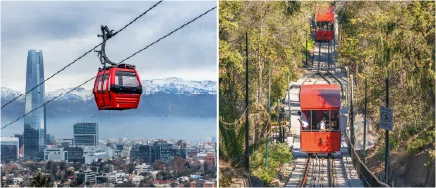
Cerro San Cristóbal is one of Santiago’s main tourist attractions and part of Metropolitan Park, the largest urban park in Chile and one of the largest in Latin America, with more than 700 hectares of green space. Access is free for those who want to walk its trails, viewpoints, and public areas, making it a favorite outing for both tourists and locals.
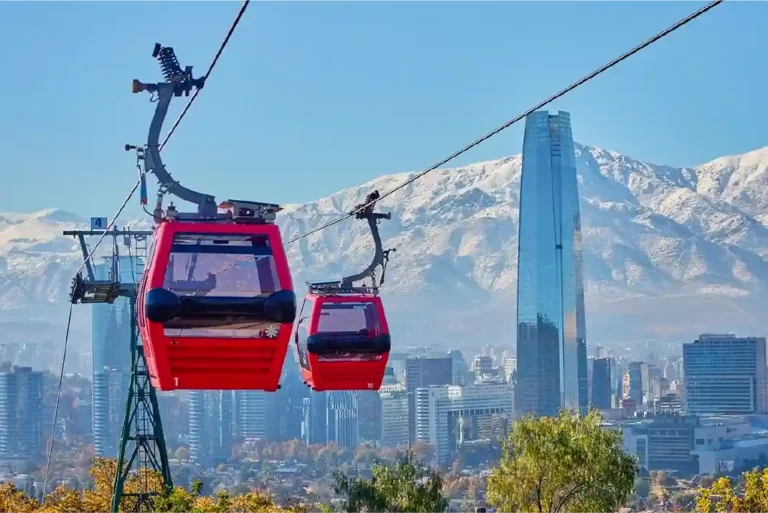
From the summit, you can enjoy a spectacular panoramic view of Santiago and the Andes Mountains, especially in winter, when the peaks are covered in snow. The hill is also home to iconic places such as the Sanctuary of the Immaculate Conception, Plaza México, gardens, rest areas, and numerous trails that are ideal for walking, cycling, or simply enjoying nature in the heart of the city.
2. Bicentenario Park
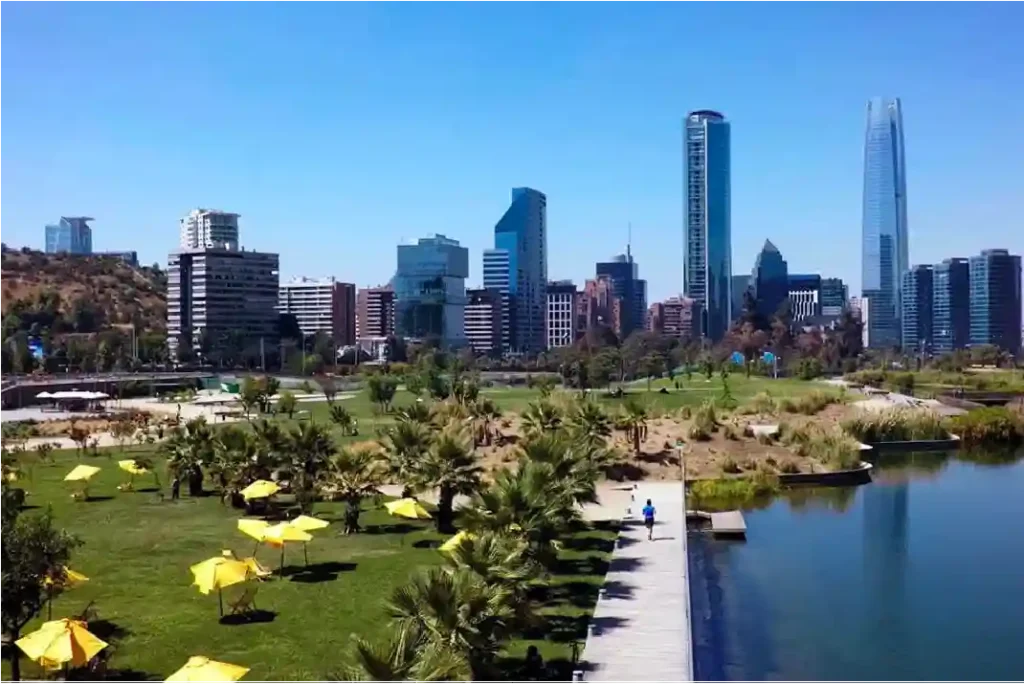
Opened in 2007 to commemorate Chile’s Bicentennial, Bicentenario Park has become one of Santiago’s most modern and most visited public spaces. Located in the Vitacura district, it has nearly 30 hectares of green areas, artificial lagoons, trails, and open spaces that are ideal for a walk or a picnic.
One of its main attractions is the flamingos, black-necked swans, and other water birds that live permanently in its lagoons, offering an experience quite different from other urban parks. Its privileged view of the Andes Mountains also makes it one of the favorite places to walk, exercise, and capture some of the best photos of Santiago.
3. Plaza de Armas
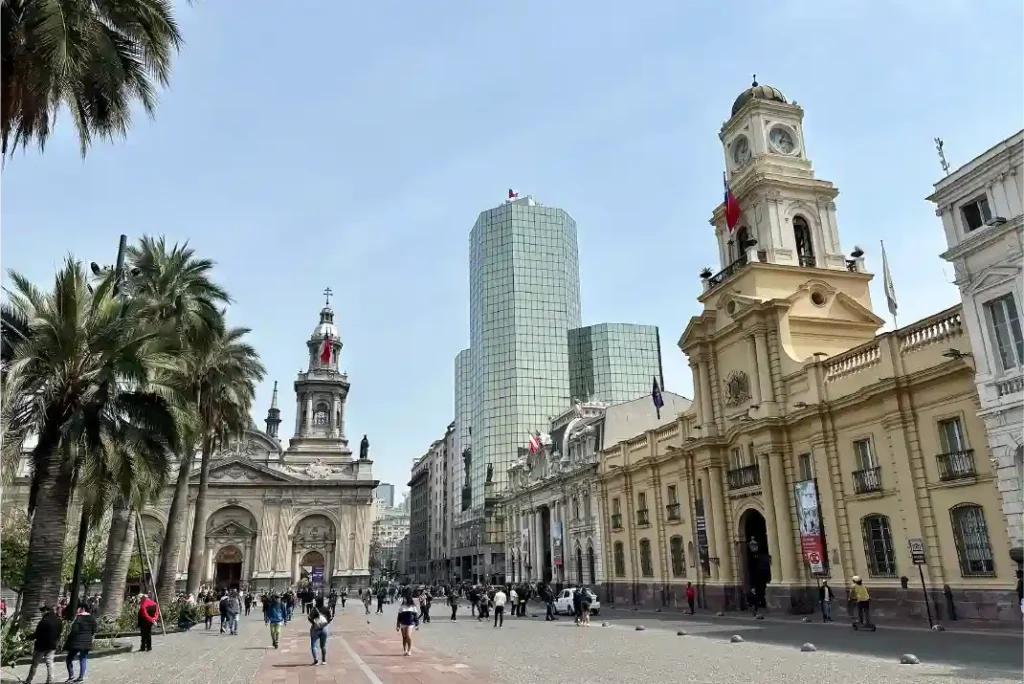
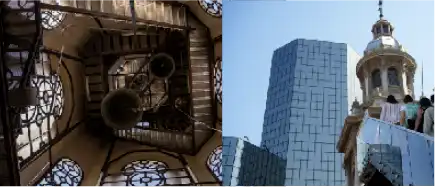
Founded in 1541 together with the city by Pedro de Valdivia, Plaza de Armas is the historic heart of the capital and the place where the history of Santiago began. Around it stand some of the country’s most important heritage buildings, such as the Metropolitan Cathedral, the National History Museum, the Central Post Office, and the former Royal Court Palace (Palacio de la Real Audiencia).
Walking through this square means walking through more than 480 years of history. Street artists, musicians, chess players, and traditional cafés bring to life a square that blends heritage, culture, and everyday life. It is an essential stop for anyone who wants to learn about Santiago’s origins and start a tour of its historic center.
4. National Museum of Fine Arts
Opened in 1910 as part of the celebrations for Chile’s Centennial, the National Museum of Fine Arts is one of the country’s leading cultural institutions. Its imposing neoclassical building, designed by French-Chilean architect Émile Jéquier, is considered one of Santiago’s architectural gems.
Admission is free, and it houses an important collection of Chilean and international art, as well as temporary exhibitions that change throughout the year. Located across from Forestal Park and very close to the Lastarria neighborhood, it is an ideal visit for anyone who enjoys art, photography, and architecture.
5. National Museum of Natural History
With more than 190 years of history, the National Museum of Natural History is one of the oldest museums in the Americas and a favorite among families visiting Santiago. Located in Quinta Normal Park, it lets you discover Chile’s natural wealth through exhibitions on biodiversity, geology, paleontology, and Indigenous peoples.
Its star attraction is the huge blue whale suspended in the main hall, one of the museum’s most photographed pieces. Admission is free, making it a perfect outing to learn and have fun with children and adults alike.
6. Forestal Park
Opened at the beginning of the 20th century, Forestal Park is one of Santiago’s most traditional public spaces and a true green lung in the heart of the city. Its wide tree-lined paths, sculptures, gardens, and rest areas make it one of the favorite places to walk, exercise, or simply enjoy a quiet moment.
Besides being home to the National Museum of Fine Arts and the Museum of Contemporary Art, it connects with iconic neighborhoods such as Lastarria and Bellas Artes, known for their food, culture, and art scenes.
7. Parque de las Esculturas
Located on the banks of the Mapocho River in the Providencia district, Parque de las Esculturas (Sculpture Park) is an open-air museum where nature and art live in perfect harmony. Since the 1980s, it has displayed works by renowned Chilean sculptors, allowing any visitor to enjoy a free cultural walk in a natural setting.
Its paths, gardens, and river views make it an excellent place to stroll, relax, or take photos. It is one of those lesser-known corners of Santiago that surprises both tourists and locals.
8. Santiago’s Civic District
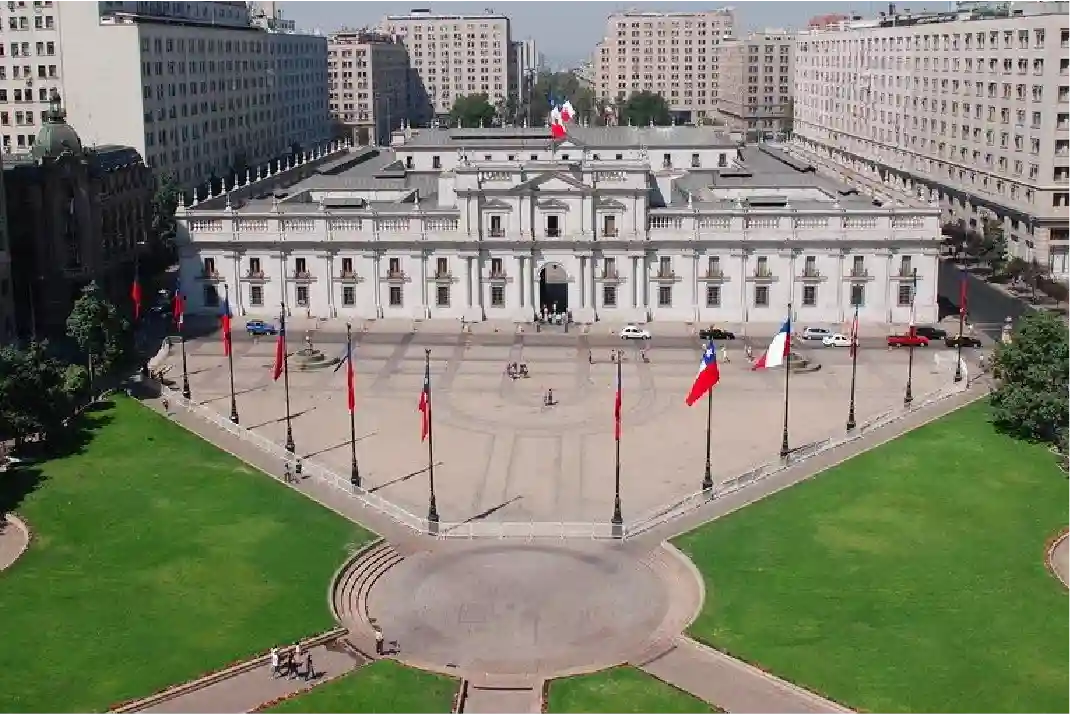
Walk around La Moneda Palace and discover some of the most representative buildings in the country. This area concentrates much of Chile’s political and republican history and is one of the areas most visited by tourists.
La Moneda Palace is one of Chile’s most iconic buildings and the seat of government since 1846. Designed by Italian architect Joaquín Toesca in the late 18th century, it was originally built to house the Mint (Casa de Moneda), which is where its name comes from.
Today it is one of the country’s main symbols and one of the places most visited by tourists. In front of it are Plaza de la Constitución and Santiago’s Civic District, where you can also watch the traditional Changing of the Guard, a free ceremony held several times a month that brings together history, music, and military tradition.
9. Lastarria Neighborhood
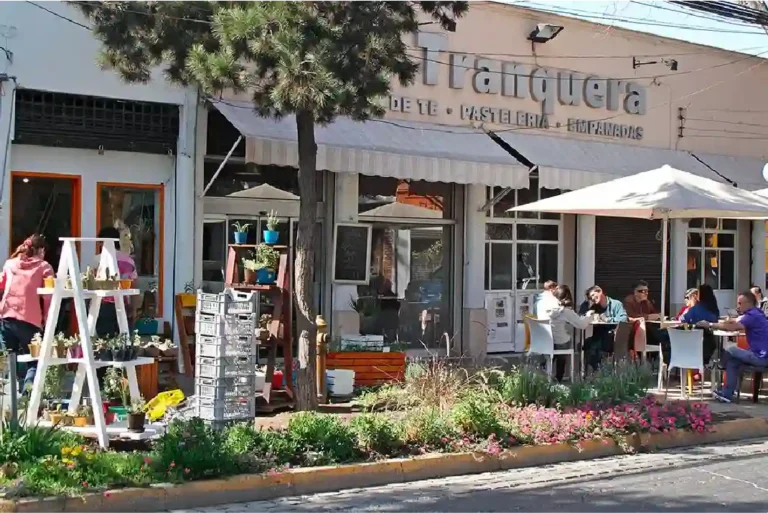
Lastarria is one of Santiago’s most attractive neighborhoods for anyone looking for culture, food, and heritage architecture. Its cobblestone streets, historic buildings, art galleries, bookstores, cafés, and restaurants create a unique atmosphere that invites you to explore it without hurrying.
On weekends, it often hosts design fairs, exhibitions, and cultural activities, becoming a meeting point for artists, tourists, and city lovers. The Gabriela Mistral Cultural Center (GAM), one of Chile’s main cultural venues, is also very close by.
10. Changing of the Guard at La Moneda
One of Santiago’s most traditional free activities is watching the Changing of the Guard at La Moneda Palace. This ceremony, performed by Carabineros de Chile, combines music, protocol, and tradition in a show that attracts both domestic and international tourists.
Watching the Changing of the Guard lets you witness one of the country’s most important civic ceremonies and enjoy a spectacle full of history in front of Chile’s most representative building. It is a great way to complement a tour of Santiago’s historic center.
Tips for Enjoying Santiago’s Free Activities
To make the most of your visit, wear comfortable clothes and shoes, especially if you plan to walk between parks and historic neighborhoods. Bring a reusable water bottle, sunscreen all year round, and a portable charger for your phone or camera, since you will find plenty of great photo spots. If you visit Santiago in winter, do not forget a jacket: from the viewpoints on Cerro San Cristóbal you can enjoy one of the most spectacular views of the city, with the Andes Mountains completely covered in snow.
Frequently Asked Questions
What can I do for free in Santiago?
Some of the best free activities are Cerro San Cristóbal, Bicentenario Park, Plaza de Armas, Forestal Park, the Lastarria neighborhood, the National Museum of Fine Arts, and the National Museum of Natural History.
Are there free museums in Santiago?
Yes. The National Museum of Fine Arts and the National Museum of Natural History offer free admission and are two of the most important cultural spaces to learn about Chile’s history, art, and heritage.
What is the best way to visit Santiago’s main attractions?
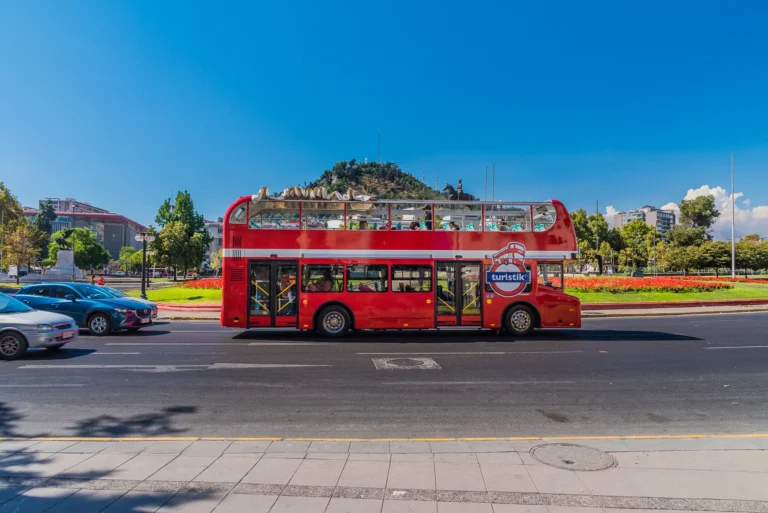
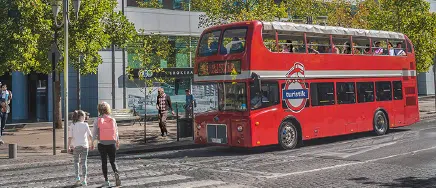
If you want to visit several parks, museums, and historic neighborhoods in one day, Turistik’s Hop On – Hop Off is an excellent option. Its route connects some of the city’s main tourist spots and lets you hop on and off freely to explore Santiago at your own pace.
Share